About · Copenhagen
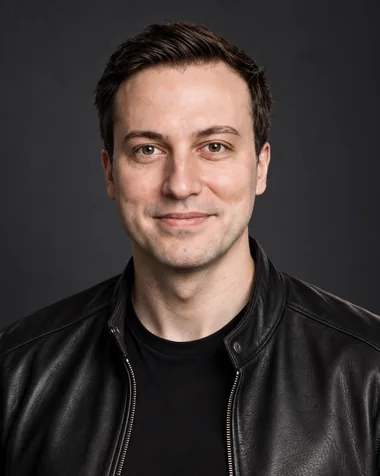
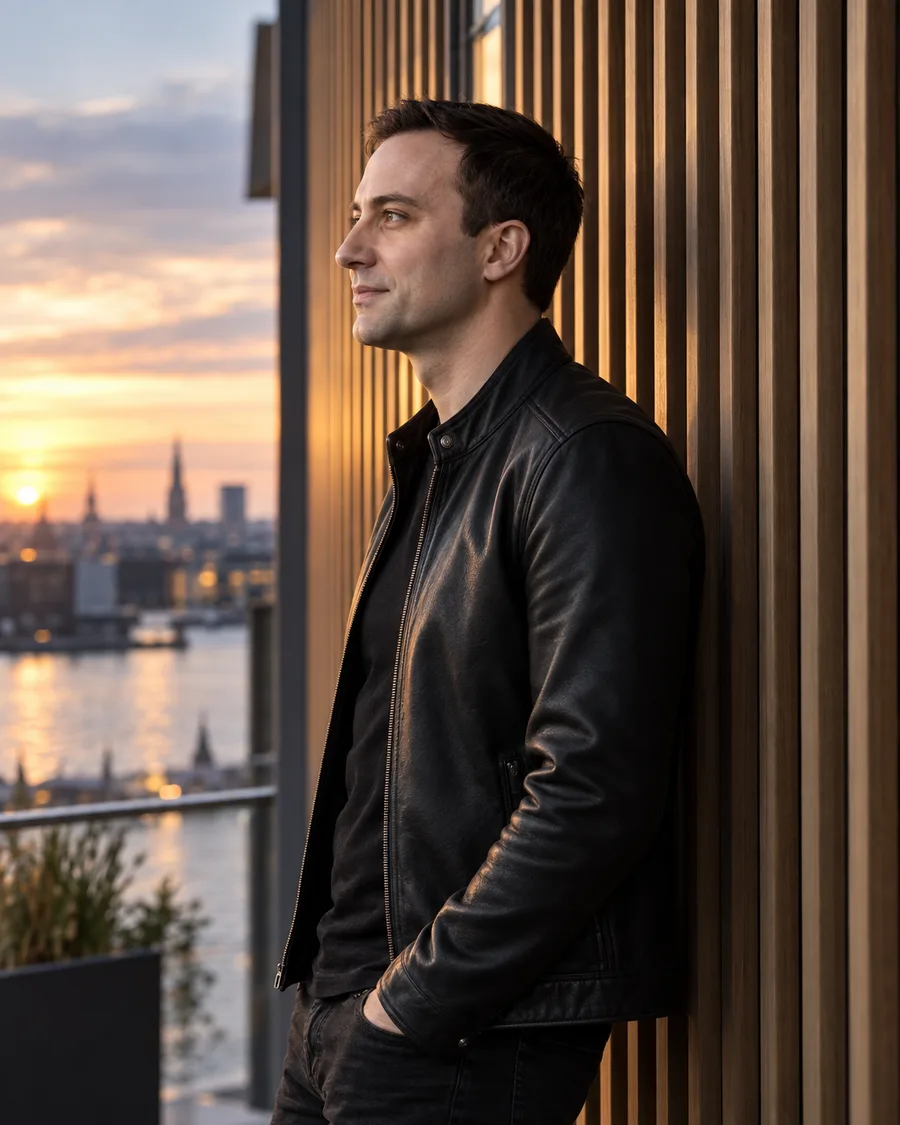
I am Dobromir Kraychev.
I build private AI systems in Copenhagen — one household, one business, one machine at a time.
How I got here
I came into architecture and 3D visualisation took me immediately. I wasn't first — the technology was already at its prime — but I was in the last wave of people who could still be called early.
When you're early, you can do what almost nobody else can yet. A client sits in front of a building that doesn't exist and sees it. It feels like a trick until it becomes how everyone works.
I ended at the top of the 3D artist's craft, looking after the visualisation stack at the largest playground company in the world. Then my work moved from images to software and automation. Mining boom, NFTs, and AI in 2026.
The pattern I've watched three times
Every technology I've lived through had the same shape.
The internet, late nineties: "you'll buy your groceries on it" was a joke in the room. Then it was Tuesday.
3D visualisation: architects drew. Then a client could stand inside a building that wasn't built, and within a decade no serious project went ahead without it.
Electric cars: a plug in the driveway was odd. Then it was normal, and the only question was why you'd waited.
AI is on that curve, and further along than almost anyone realises.
What most people are missing
I think this is the most exciting moment to be working in technology — and I understand why it doesn't feel that way yet.
Think about the things you never got round to. The website you kept meaning to build. The social presence you never had time to keep up. The software you looked at, priced, and quietly gave up on. The email that takes an hour. The IT problem that meant waiting two days for someone to call back.
All of that is now a sentence you type, and an answer that comes back in seconds.
And that is the small end of it — the everyday things. The interesting part is what becomes possible once the work is done for you: the project you shelved because it needed a person you don't have, the analysis you never had time to run, the language you never learned, the drawing you could never make.
That is what I find exciting about this moment. It is why I think most people are still at the beginning.
The only question I'd ask anyone to sit with is where it runs. As of 2026 almost all of it runs in the cloud: your papers go to a company, onto computers you'll never see, under rules you didn't write. That isn't a scandal — it's a choice most people haven't been offered yet. Running it yourself became possible, and it is not as difficult as it sounds.
Ten years, I think. The same ten years it took for the internet, for professional software, for visualisation, for electric cars.
Why dobkra
I started dobkra because the transition is coming whether or not anyone is ready for it, and the people who need the most help are the ones nobody is building for. A bank has a technology department. A family with a house, a business and a lifetime of private papers has nobody.
The cloud providers will serve most people well, and I mean that — they are excellent at what they do. But they cannot put a machine in your house, and they cannot sit at your kitchen table and show you what it can do for your life.
That is the whole of what dobkra is: I bring the machine, I set it up so it stays yours, and I teach you to use it. I do not sell subscriptions to somebody else's computer. My time is limited, so I help the few I can reach in Greater Copenhagen — because helping a few beats helping none.
Talk to us.
If you want to know whether local AI belongs in your home or small business, write to me. I answer the email myself.
Written September 2026.